Is the Middle East on the verge of a historic ceasefire, or are we witnessing a masterclass in psychological warfare? As of Tuesday, March 24, 2026, the answer depends entirely on who you ask.
While President Donald Trump has spent the last 24 hours touting “productive conversations” and “major points of agreement” with Tehran, the skies over Israel and Iran tell a much more violent story.
The “Fluid” Diplomacy
The White House has officially described the situation regarding potential negotiations as “fluid.” This cautious language comes after President Trump abruptly shelved plans to “obliterate” Iranian power plants, granting Tehran a five-day window to negotiate a deal that would include the total cessation of uranium enrichment.
According to the President, the “respected” Iranian leadership reached out to him, prompting a pause in US energy strikes. However, the identity of these negotiators remains a mystery, with the White House refusing to confirm if Vice President JD Vance or Jared Kushner is leading the backchannel efforts in neutral locations like Pakistan or Turkey.
Tehran’s Defiant Denial
The twist? Iran’s government is calling the US claims “fake news.”
The Speaker of the Iranian Parliament, Mohammad Bagher Ghalibaf, took to social media to state that no such negotiations have taken place. Tehran’s official stance is that the US is using rumors of talks to manipulate global oil markets and ease the economic pressure caused by the closure of the Strait of Hormuz.
Ongoing Hostilities: No Pause on the Ground
Despite the talk of a five-day pause on US energy strikes, Israel has not slowed down.
- Strikes in Tehran: Israeli airstrikes hit targets in the Iranian capital overnight, reportedly focusing on missile infrastructure and research facilities.
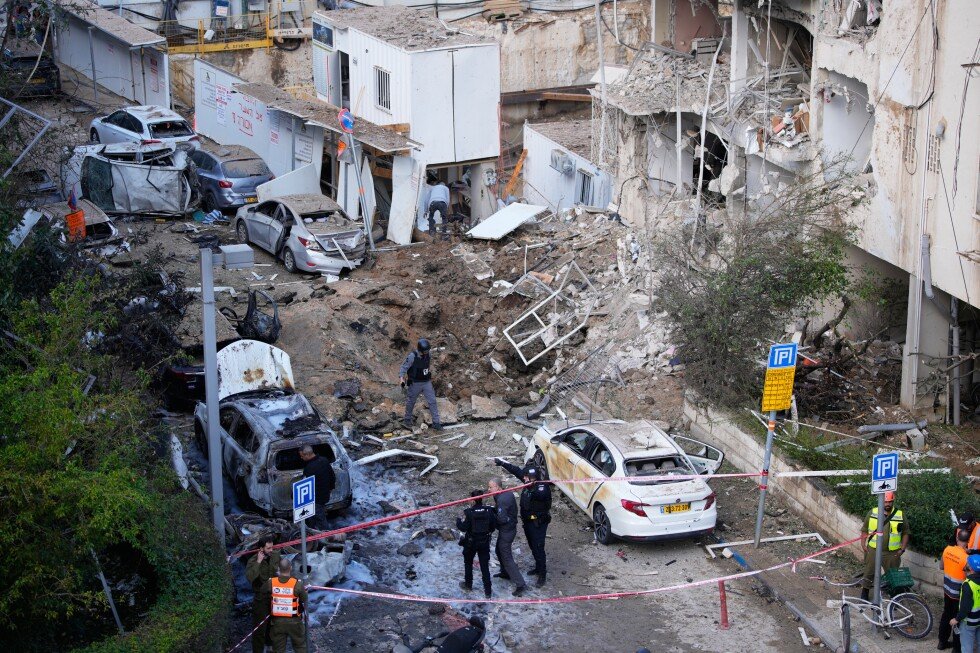
- Retaliation in Tel Aviv: Just hours ago, sirens blared across Tel Aviv and Jerusalem as Iran launched a fresh wave of ballistic missiles. Reports indicate at least six people were injured in Tel Aviv when a building was struck.
- The Lebanon Front: The conflict continues to bleed over into Lebanon, with the IDF confirming strikes in southern Beirut aimed at Hezbollah infrastructure.
What’s at Stake?
The global economy is currently holding its breath. Brent crude oil has surged toward $112 per barrel, and the International Energy Agency has warned that the “critical” energy situation could trigger a worldwide recession if the Strait of Hormuz remains blocked.
Whether the “fluid” talks are a real path to peace or a tactical delay remains to be seen. For now, the world is watching that five-day deadline, which expires on March 27. If no deal is reached, the US has threatened to return to its original plan of targeting Iran’s core power grid.